Endowments are one of the most enduring ways philanthropy can strengthen a community. By investing charitable resources for the long term, a single gift can provide meaningful support today while creating a lasting source of support for the future.
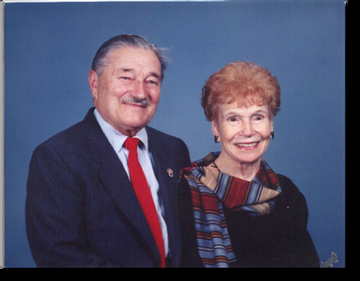
Ron and Helen Dunin’s story demonstrates that potential.
More than 20 years ago, they made a decision rooted in their love for San Luis Obispo County and their belief in its future. Today, their generosity continues to support individuals and families throughout the community.
A Life Rooted in Community
Ron and Helen arrived in San Luis Obispo in 1965 after making the journey from Great Britain. Here, they built a life and became deeply connected to the community they called home.
Ron served on the San Luis Obispo City Council beginning in 1977 and later served three terms as mayor. But their commitment to the community extended far beyond public service. Together, Ron and Helen believed everyone deserved the opportunity to build a stable, self-sufficient life.
When planning their estate, they chose to carry that belief forward. They left a portion of their estate to The Community Foundation San Luis Obispo County, establishing an endowed fund in their name to support individuals and families working toward that goal.
What One Gift Has Made Possible
The Dunins’ initial $500,000 gift established their endowed fund in 2004. Since then, the fund has awarded more than $1.4 million in grants and scholarships, while growing to a current balance of more than $3.1 million.
Initial gift: $500,000 Cumulative grants awarded: $1,405,097 Current fund balance: $3,136,738
In other words, the fund has already invested nearly three times the amount of the original gift back into the community and today holds more than six times its original value.
That is the lasting potential of an endowment.
How an Endowment Works
An endowed fund is designed to support a charitable purpose over the long term. Rather than spending the entire gift, the assets are invested and a portion is made available for charitable distributions.
This approach allows donors to establish a permanent source of support around what matters most to them, whether that is a particular nonprofit, scholarships, a specific area of need, or the broader needs of the community.
The Dunin Fund offers a powerful example. More than two decades after Ron and Helen made their original gift, their fund continues to carry out the purpose they envisioned.
Creating a Legacy with Purpose
Every donor’s vision for the future is different. An endowment can be established during a donor’s lifetime or through an estate plan and structured around the causes, organizations, or community priorities they want to support for generations to come.
Ron and Helen could not have known exactly what San Luis Obispo County would need decades into the future. What they did know was the kind of community they wanted to help build.
Their foresight created a charitable resource that continues to serve that purpose today.
The Community Foundation San Luis Obispo County works with individuals and families to create charitable plans that reflect what matters most to them and provide meaningful support to our community, today and into the future.
Access to education can open a door. Sustained support can help a student make it all the way through.
That distinction is at the heart of the new People’s Self Help Housing Scholarship Fund, established in partnership with the Emily & Dene Hurlbert Trust, People’s Self Help Housing, and The Community Foundation San Luis Obispo County.
Education has long been important to Dene Hurlbert and his late wife, Emily. Together, they believed that financial circumstances should not determine a person’s ability to learn, grow, and build a more secure future.
Today, through the Emily & Dene Hurlbert Trust, Dene is carrying that shared belief forward by investing in students who may face significant barriers to higher education.
Supporting Students Through Completion
The scholarship will support residents of People’s Self Help Housing communities and participants in its education programs who are pursuing college, vocational training, or workforce reentry, with a particular emphasis on first generation college students.
Importantly, the scholarship is designed to provide multi year support.
For students navigating tuition, books, transportation, housing, and other expenses, receiving a scholarship for one year can make college possible. Knowing support can continue as they progress toward a degree or credential can provide greater stability and help students remain focused on completion.
As Itzelt Santos, Senior Education Manager at People’s Self Help Housing, explains:
“For students living in our affordable housing communities, higher education carries significant financial barriers, but thanks to Dene’s support, our students will have the chance to succeed. Scholarships help first generation students stay enrolled, persist toward graduation, and step into their careers with little or no student loan debt. That solid financial foundation opens the door to long term stability and success.”
The goal is not simply to help students enroll. It is to help position them to persist, graduate, and move into their careers with a stronger financial foundation.
A Collaborative Approach to Student Success
The fund was also designed around another important idea: financial assistance is most effective when students have the support to navigate the journey ahead.
Each partner brings a distinct strength.
Through the Emily & Dene Hurlbert Trust, Dene provided the vision and initial investment. The Community Foundation will administer the scholarship and steward the fund over time. People’s Self Help Housing will identify eligible students and provide educational navigation and support, drawing on the relationships it has already built with residents and students.
Together, the partners can offer something more comprehensive than financial assistance alone: scholarship support paired with people who understand the students, their goals, and the barriers they may encounter along the way.
An Investment Others Can Build Upon
Dene seeded the fund with a larger vision: to create a scholarship others can invest in alongside him, expanding the number of students who can receive sustained support over time.
Each additional contribution can help extend that opportunity to another student and strengthen a resource designed to grow with the community.
It is a meaningful way to carry forward something Emily and Dene believed in together while inviting others to share in that vision.
A scholarship can help make education accessible. Multi year support, trusted guidance, and a community invested in a student’s success can help turn that opportunity into a degree, credential, career, and greater economic stability.
Rooted in Generosity: A Family Tradition of Giving
For Jeanne Helphenstine, generosity began long before she opened a donor advised fund. It began on her family’s ranch, around a dinner table, and with a simple belief passed from one generation to the next: no one should go hungry.
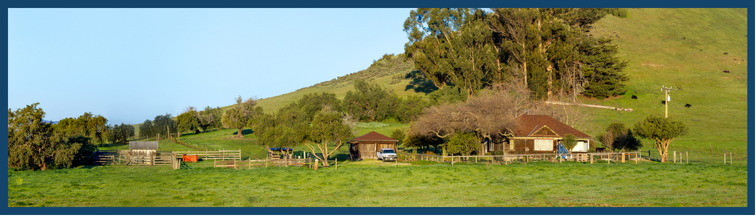
Jeanne’s grandparents, Allan and Yolanda Righetti, were Swiss Italian immigrants who operated a dairy farm on 143 acres off Orcutt Road in San Luis Obispo. Life on the Righetti Ranch was grounded in hard work, gratitude, and caring for neighbors. Those values became part of the family and eventually shaped the way Jeanne thought about giving back to the community she calls home.
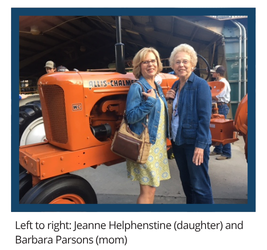
Years later, Jeanne found a meaningful way to carry those values forward with her mother, Barbara.
Giving Together
Jeanne encouraged her mother to consider making a charitable gift through The Community Foundation San Luis Obispo County, recognizing both the tax advantages of charitable giving and the opportunity to make a meaningful local impact.
Jeanne and Barbara each established their own donor advised fund at the Foundation. Soon, philanthropy became something they shared.
Each year, mother and daughter talked about what was happening in the community, learned about local organizations, discovered new causes, and decided where they wanted their giving to make a difference. Agriculture and food security were natural priorities given their family history, while the arts also held a special place in their hearts.
For Jeanne, those conversations became as meaningful as the grants themselves.
“Giving became something my mother and I looked forward to each year. We learned from each other, supported what mattered most, and stayed connected to our community in the process.”
Their donor advised funds provided a simple way to organize their philanthropy. More importantly, giving together created time to reflect on what they valued and how they wanted to contribute to the community they loved.
A Tradition That Continues
Jeanne’s commitment to community extends beyond her philanthropy. Throughout her career in real estate and through her volunteer leadership, including her service on the Foundation’s Real Estate Foundation Board, she has remained closely connected to San Luis Obispo County.
That involvement has also informed her giving. As Jeanne has learned more about the challenges and opportunities facing local nonprofits and families, her philanthropy has evolved with her.
Yet the values behind it remain remarkably consistent.
The land that supported her grandparents’ dairy farm is an important part of Jeanne’s family history. But the Righetti legacy extends beyond those 143 acres. It lives in a belief that we care for our neighbors, share what we have, and remain connected to the community around us.
For Jeanne, philanthropy became something she and her mother shared. Today, that tradition continues, carrying forward the values of a family deeply rooted in this community.
Make Giving Part of Your Family Story
A donor advised fund can create a meaningful way for families to give together, explore the issues they care about, and pass charitable values from one generation to the next.
The Community Foundation works alongside individuals and families to make giving thoughtful, flexible, and connected to the communities and causes that matter most to them.
Sometimes the most meaningful thing we pass from one generation to the next is not what we have, but what we believe.
With hundreds of active nonprofits in San Luis Obispo County, there are many options available for giving during the Holiday Season that will ensure your tax-deductible contributions support our community. The Community Foundation San Luis Obispo County is here to simplify your year-end giving. Let us be your guide — we’ll handle the research, starting with these tips you can use to maximize the benefits of supporting your community.
Use a Donor Advised Fund (DAF):A Donor Advised Fund (DAF) opens up the world of philanthropy to donors who want to address community needs in San Luis Obispo County and beyond. You can enjoy full tax deductions now and contribute to the fund as frequently as you like, and then recommend grants to your favorite nonprofit organizations whenever it makes sense for you.
If you already have a fund held at The Community Foundation, you can easily recommend a distribution to the charity of your choice. For grants you wish to distribute in 2024, please contact [email protected] before December 16. This is the preferred date to submit recommendations to provide the best chance of grantees receiving funds before December 31. Use your IRA for Charity: Contributing from your IRA directly to The Community Foundation is an easy way to reduce your tax burden and make a gift to support multiple causes that are meaningful to you. The transfer must be to a qualified exempt nonprofit and may be for a designated purpose or field of interest fund. Make sure to contact your financial advisor for more information.
Gifts of Cash: You can donate to The Community Foundation directly by check, with cash, through our website, or however is easiest for you. You can trust us to help direct your contribution to a cause in SLO County or beyond. Gifts of Stock: Donating appreciated stock offers you a way to support causes you care about while potentially enjoying a more cost-efficient deduction based on the current market value, not just what you originally paid. If your stocks have grown significantly since you bought them, donating them directly to a nonprofit like us can provide you with a deduction for their current value while bypassing taxes on potential gains. This means more of your contribution goes towards making a difference in our community.
Gifts of Property or Land: Donating real estate is a powerful way to fulfill your charitable aspirations while maximizing your tax benefits within legal boundaries. There are many ways that you can gift property to receive tax benefits and maximize your estate planning. The Community Foundation has established the Real Estate Foundation of San Luis Obispo County specifically for property gifts to alleviate property upkeep concerns, sales, insurance, and taxes for you and your family.
Your donations shape our community’s future. Partner with us to make a difference that lasts beyond the holiday season. Reach out to Donor Services at [email protected] for personalized assistance.
**The tips and information shared here are for educational purposes only and should not be considered official financial advice. We encourage readers to seek personalized guidance from a certified financial advisor for their specific financial needs.**
The Community Foundation will continue processing grants and issuing payments through the end of the year, but external factors such as delayed postal service or organizations closing offices for holidays, can impact when grantees receive funds. As a reminder, there is no tax implication for donors when grantees receive Foundation funds.
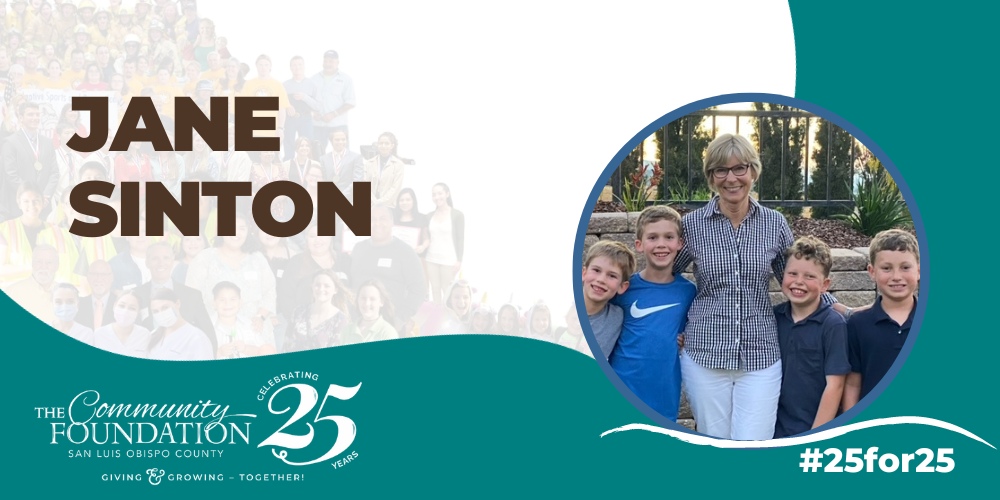
An open letter to the community from Jane Sinton about our Foundation’s humble beginnings, the Women’s Legacy Fund, and the amazing impacts that began with these passionate ideas.
This feature is part of our #25for25 showcase where we highlight 25 stories to mark our 25 years of philanthropy in SLO County. These partners and community members have allowed the Foundation to continue giving and growing – together!
“When Dee Lacey first called me about helping to start a community foundation in San Luis Obispo County, she billed it as ‘you get to just give money away!’ Well, how could you say no to that? I should have known there was a hitch! In the beginning, we had to convince people to put money into the endowment before we could earn interest and be able to give that money away.
In hindsight, helping to start the Foundation and being the founding Board President was one of the most rewarding and hardest things I have done in my life. Now, here we are celebrating 25 years! We have given $66 million dollars back into the community to support people who need assistance. What I love about the Foundation is that we now have so many stories to tell about helping local people improve their lives. Real stories about real human beings in need – how we have helped to lift them up in life. We have stories of helping students go to college, helping the homeless find housing, helping save the environment, helping people with disabilities. The list goes on.
One of my favorite stories about the early days of the Foundation is when we had our first grants awards ceremony. We had very little money to give away, but we tried to make it count. It was the Turtle and Tortoise Club – a very modest club with few members, but they were passionate about taking turtles and tortoises around the county to schools to educate the kids. I think they asked for $200 to help with the gas money. When we awarded it to them at a wonderfully intimate awards gathering, they were so excited! It wasn’t a big grant, but it had a big impact on the people who were passionately dedicated to teaching kids about turtles and tortoises, as well as the kids who benefitted from their passion. Those were humble beginnings but stories like this drove us to work harder. That then convinced donors to give to their own passions to help us build a permanent endowment that will permanently help our community. Now we are able to give away thousands of dollars in multi-year grants to organizations that do the wonderful work of helping people in this community.
One of the things that makes CFSLOCO unique is that we all share information on what things have worked and what hasn’t worked. Early on in the Foundation’s evolution, I keyed in on one idea that really interested me – a Women’s Legacy Fund. Many community foundations across the country have some version of a women’s fund that builds an endowment to benefit women and girls. In 2002, the women serving on the Board of The Community Foundation got together and went to work. We set a goal of raising $100,000 to create a fund that could start giving away earnings within a few years. Women from across the county jumped in and signed up as Legacy Leaders for $1,000 each. We raised the first $100,000 in just three months. The fund is now at $2 million, and we have given more than $600,000 to organizations and programs focused on helping women and girls. And we have dozens of stories from our nonprofit partners of women and girls who have benefitted – by getting an education, leaving abusive relationships, learning financial literacy, leaving homelessness behind, becoming more self-confident, and bettering their lives and the lives of their families.
After serving more than 12 years on the Board, I termed out, but I just couldn’t leave the organization that I feel so passionate about. I have since sat on every committee that will have me – which turns out to be all of them! My most recent committee experience brings me full circle. I am a current member of the Grantmaking Committee. While on the Board, I concentrated my efforts on building an endowment and organizing the committees we needed to do our work effectively. The only committee I hadn’t served on was the grants committee. It’s particularly gratifying because, 25 years after Dee told me I would get to give money away, I am still helping to give the money away! What a rewarding experience that has been!
I have been able to watch The Community Foundation in action, giving back to people in the community. In particular, during the pandemic, it was incredible to see our donors’ tremendous response to the increased need across the county. The Community Foundation was able to support so many nonprofits who were then able to assist people who were suffering, and the agencies struggling to help them. It has been my honor and privilege, with so many other wonderful, hardworking, dedicated people – both Staff and Board – to build this Foundation that has made such a difference in the lives of people in this community!”
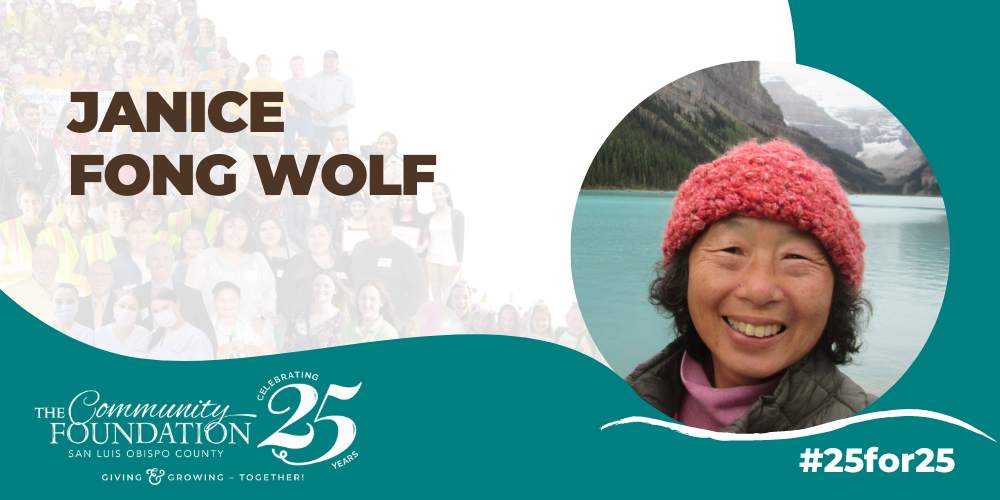
All throughout this year, we will be highlighting 25 stories to mark our 25 years of philanthropy in SLO County. Our #25for25 campaign showcases a selection of partners and community members that have allowed the Foundation to continue giving and growing– together!
For 16 years, Janice Fong Wolf was the face of The Community Foundation to our nonprofit partners. A Cal Poly alumna, Janice worked for 19 years in health and human services and later found herself as a key player in creating our grantmaking program from scratch.
Janice is immensely proud of the work she did in the Foundation’s early days and incredibly grateful for the support of the community. Along with the Foundation’s staff and a supportive Board of Directors, Janice was instrumental in creating an organization that was efficient and effective, but with a manageable workload for the small staff. Her oversight and work to establish the Raising a Reader early literacy program in SLO, a partnership with the Robert H. Janssen Foundation to support youth programs and distribute funds from the Hugo and Erna Klaproad estate to benefit homeless services in South County are all examples of the broad impact of her work. She oversaw the growth of quality programs that did not exceed their capacity to maintain a level of excellence.
In 2000, the Foundation was ready to award grants. On Janice’s first day, they had 75 applications and needed someone to create the process. As an experienced grant seeker, Janice became a dedicated grant maker who was able to fashion a process that was friendly to the non-profit agencies but was also fair and objective. Janice and the Foundation’s Founders fashioned applications, created a review committee, and a fair and objective evaluation process.
Janice also helped with the initial design of the Foundation’s scholarship and awards program. Though she was cautioned that scholarship programs are very time-intensive, she moved forward on what she viewed as an important component of foundation work. The first awards created were programs recognizing individuals and organizations that improved the community. These included the Isabella Ruiz Humanitarian Award, Paul Wolff Accessibility Advocacy Award, and Environmental Award.
Janice gained an encyclopedic knowledge of community needs and the organizations that were addressing those needs. She created relationships throughout the County that help strengthen bonds with the local non-profit agencies. Agencies might have viewed the Foundation as another rival for donor dollars. Instead, Janice gained their trust, and they came to see the Foundation as a partner.
One example of her community-building is her early relationship with Bryan and Beverly Gingg. Bryan and Beverly had founded the accessibility advocacy group known as Access for All, that honors those who advocate for a community that is friendly to those who face limited accessibility due to physical challenges. The Ginggs asked Janice and the Foundation to run the program and host the annual Paul Wolff Accessibility Advocacy Award ceremony held at Cal Poly. The program needed to be accessible to those with a variety of physical challenges. Janice arranged to have sign-language interpretation, large-format and Braille programs and wheel-chair accessibility to all areas of the venue. Bryan, Beverly, Paul, and his wife Marion became valued members of the Foundation family.
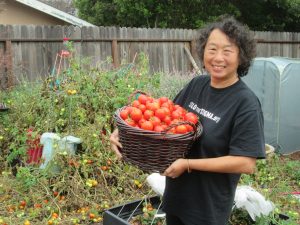
After retiring in 2016, Janice and Rex, her husband of 46 years, enjoy tending their garden at their home in Los Osos, traveling around the country in their RV with their dog, Ivy, or taking pleasure in the natural beauty here in SLO. After taking a year off from her many commitments, Janice continues to serve her community. She is a tutor for Literacy for Life, serves on the board of Cuesta College Foundation, volunteers with SLO Repertory Theatre, and reviews grant applications for SLO County.
Thank youJanice for all your years of service to The Community Foundation and to our community!
After a decade-and-a-half of partnership, The Robert H. Janssen Foundation and CFSLOCO established an endowment fund to continue the legacy of a beloved community member.
The Robert H. Janssen Foundation is a wonderful example of community philanthropy at its finest.
For over 20 years, the spirited generosity of Robert H. Janssen has lived on through the dedicated work and contributions of The Robert H. Janssen Foundation. From youth fitness programs to college-readiness courses, the Janssen Foundation has provided countless funding opportunities for local youth across the county – all in the name of this local hero.
Now, a new chapter begins for the estate as the baton is passed over to us as we continue to distribute the valuable gifts of Robert H. Janssen for years to come.
ABOUT BOB
Robert (known by friends and neighbors as Bob) was a lifelong resident of San Luis Obispo, an active supporter of youth and community activities, and devoted a considerable portion of his life to youth sports. His personality was unpretentious, and he had an encyclopedic knowledge and passion for leadership in civic and sports matters.
After a long and fulfilling life, Bob passed away in 1996, but not without leaving behind the first of many impactful gifts for our community’s youth.
His family estate was established with a gift of $2 million that was to be distributed to young athletes and students hoping to continue their athletic careers and higher education. Bob’s investment in the future of the community is allowing his legacy to flourish and his life’s work to continue long after his passing.
THE ROBERT H. JANSSEN FOUNDATION
Since 1996, the Janssen Foundation has awarded millions of dollars to support local youth programs. One such program is the North County Adaptive Sports & Recreation Program (NCASARP), which provides year-round supervised activities for the developmentally disabled of Atascadero, Creston, Templeton, Paso Robles, San Luis Obispo, San Miguel and Morro Bay.
In 2006, the directors of the Robert H. Janssen Foundation decided to join forces with The Community Foundation of San Luis Obispo County and decided they needed help with soliciting, evaluating, and finalizing proposals for grants within youth sports. Due to The Community Foundation’s ample resources and trusted positioning in the community, the directors of the Robert H. Janssen Foundation established a donor-advised fund to support their meaningful efforts. For more than 15 years, a strong partnership developed between the two foundations resulting in more than 231 grants.
Most recently, we offered proactive grants during the pandemic to support youth during shelter-in-place protocols; these powerful grants provided ‘busy bags’ from the San Luis Obispo Children’s Museum and offered childcare by the YMCA, to name a few.
A NEW CHAPTER: Robert H. Janssen Foundation Youth & Youth Sports Fund
Our grantmaking partnership is now soaring to new heights: in order to support youth and youth activities further, The Janssen Foundation has decided to close its private foundation and transfer the estate to The Community Foundation of San Luis Obispo County.
“The Community Foundation enabled the Janssen Foundation to extend its reach, to do a better job of vetting grant applications and monitoring results of grants,” says Warren Sinsheimer, President of The Robert H. Janssen Foundation, Inc. “When the directors decided after 25 years that a new direction for the Janssen Foundation was in order, they turned to the Community Foundation again. Today, the funds of the Janssen Foundation are a separate fund within the Community Foundation where those funds can indefinitely fulfill Bob’s vision of supporting youth and youth sports in San Luis Obispo.”
We are honored to take over the stewardship of Robert H. Janssen’s legacy. The legendary estate will be administered as a separately held endowment fund, to be called the Robert H. Janssen Foundation Youth & Youth Sports Fund.
“Robert Janssen was a special soul who devoted a great deal of his life to a special cause — our youth,” said Heidi McPherson, CEO of The Community Foundation of San Luis Obispo County. “We look forward to honoring Bob’s legacy by continuing to support and enrich youth activities across the county.”
Program Overview & Objectives:
Through the generosity of the Robert H. Janssen Foundation, grants are available to local nonprofit organizations providing youth enrichment programs and/or youth sports programs in the City of SLO and adjacent area within San Luis Obispo County. The Janssen Youth & Youth Sports Fund seeks to support programs that enrich the lives of local youth and ideally reflect the Search Institute’s 40 Developmental Assets. Mr.Janssen was a lifelong resident of SLO County and devoted a considerable amount of time to local youth sports and other community and youth activities. He valued the benefits for all youth that could be gained through participation in team activities with positive adult mentorship.
Janssen grant funds should represent only a portion of the funds required to implement the program, and a preference is to support direct service costs. The Janssen Youth & Youth Sports Fund seeks to primarily support youth sports programs in San Luis Obispo County that provide access to all segments of the community regardless of income level. Secondly, the Fund will support youth enrichment activities in the City of San Luis Obispo and adjacent area, with an emphasis on active participation over educational programming.
The maximum grant award will be $5,000. The Robert H. Janssen Youth and Youth Sports Fund is open for applications from January 16, 2023 to March 15, 2023, at 5pm. You can learn more and apply by CLICKING HERE.
You can help transform the lives of those facing homelessness in San Luis Obispo County this holiday season.
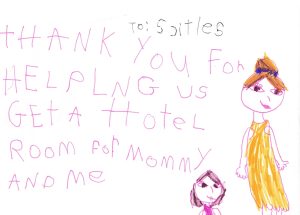
Homeless shelters can always use extra support, especially during the holidays and the winter months when they’re at their busiest. As San Luis Obispo County has inched out of the pandemic, homeless services across the county are preparing for the inevitable uptick in individuals and families requiring assistance and services.
Story courtesy of ECHO
We recently reached out to local organizations and asked how they could use our community’s support in the cold winter months ahead. Here’s what the Community Action Partnership of San Luis Obispo County, Inc. (CAPSLO), El Camino Homeless Organization (ECHO), and 5 Cities Homeless Coalition had to say – three organizations we are grateful to support through an Opportunity to Thrive grant. This grant from our general grants program focuses on empowering and strengthening individuals to overcome obstacles while embarking on the road to self-sufficiency. Keep reading to learn more!
Community Action Partnership of San Luis Obispo County (CAPSLO)
CAPSLO has been San Luis Obispo County’s federally-designated community action agency since 1965. Through a variety of programs and in collaboration with other community service agencies, CAPSLO helps individuals and families achieve self-sufficiency and economic stability.
In the past few months, CAPSLO has seen a massive increase in the number of families using its services. “Typically, we serve between 4-5 families per month in shelter and case management services here at Prado Homeless Services Center (HSC), but in the past year, that has grown to an average of 10 families per month,” says Loren Leidinger, CAPSLO’s Outreach/Development Director.
CAPSLO’s family dorms are currently at capacity, which has limited the number of families who can benefit from this resource. With an increase in the number of families falling into homelessness, emergency hotel vouchers are being distributed to keep up with the influx of families in need, while a tight housing market continues to cause a gradual increase in the length of time families are enrolled for emergency shelter services.
Despite the increase in funding to families experiencing homelessness, community support is vital to these programs. A combined community effort involving organizations, foundations, and individuals must be present in order to effectively improve the lives of families and individuals across the county.
“We rely heavily on community partners and communities of faith to donate crucial resources that we use to make Welcome Home Kits,” says Leidinger. “These kits – which vary from bathroom kits, bedroom kits, kitchen, etc. – are designed to help individuals and families move from shelter or street-based homelessness into housing with all of the needed amenities required for a successful move-in.”
El Camino Homeless Organization (ECHO)
Established in 2001, ECHO empowers people in SLO County to make positive change by providing food, shelter, and supportive services.Their various services ensure that individuals and families struggling with homelessness can find jobs, get fed, stay healthy, and find housing.
ECHO operates two facilities in North County that each provide meals and a safe and secure overnight shelter to meet the immediate needs of families and individuals in the community who are facing hunger and homelessness.
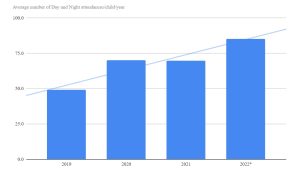
Having two centralized locations in North County is crucial to providing services that help individuals and families get back to work, identify affordable housing, and maintain hope throughout their housing journeys. Recent data trends at local shelters have shown an increase in families that are accessing ECHO’s services in Atascadero and Paso Robles.
“Now more than ever, it is critical that we are able to keep our doors open and continue to offer our case management services and shelter programs,” says Austin Solheim, Donor Relations and Community Engagement Manager for ECHO. “In our 90-day transition program we have seen that having a stable landing pad and consistent case management has led to rates of over 50% of the individuals and families we served entering back into permanent housing.”
The funds recently awarded to ECHO from CFSLOCO will go towards their Client Assistance Program which helps community members get back on their feet when they are experiencing houslessness. The program pays for critical, short-term expenses that shelter residents and outreach clients need in order to successfully transition back to permanent housing and stable incomes. By reducing these expenses, community members are more able to secure jobs, find housing, and move into new homes.
5Cities Homeless Coalition (5CHC)
Planning how best to address the needs of the homeless in San Luis Obispo County today involves many caring citizens and community leaders, and 5CHC is taking a collaborative approach to meet the challenge. 5CHC works hard to service families and individuals by providing the resources, support, and hope that they need to become self-sufficient, productive community members.
The backbone of the 5Cities Homeless Coalition is its strength in channeling community resources, volunteers, and donor assets to meet the needs of the homeless population through existing and new programs. Prior to these collaborative efforts, a loose network of service providers existed. Communicating and coordinating services through this network required time and energy, but this was a role 5CHC adopted and is actively working to fill.
5Cities Homeless Coalition provides wrap-around services including case management and direct financial assistance – with a special emphasis on housing stability. Their efforts focus on helping the most vulnerable in our community maintain dignity while working toward a new home or retaining their home. Their work goes beyond the immediate, to ensure that clients have the plan, skill sets, and support needed to be successful and self-sufficient. More than 90% of those who 5CHC has helped to house (or prevented from eviction) remain housed more than one-year later.
WAYS TO SUPPORT:
Rent to a family experiencing homelessness, or welcome families into your own home
Provide Goods
ECHO has created a wishlist with input from residents young and not-so-young > VIEW THE WISHLIST <
Donate funds to your local city or county specific non-profit
Volunteer
With ECHO you can join a force of 1,500 community volunteers providing ancillary support to run shelter and meal programs for shelter residents and people facing hunger and homelessness in the community.
Both online and virtual volunteer opportunities are available through CAPSLO
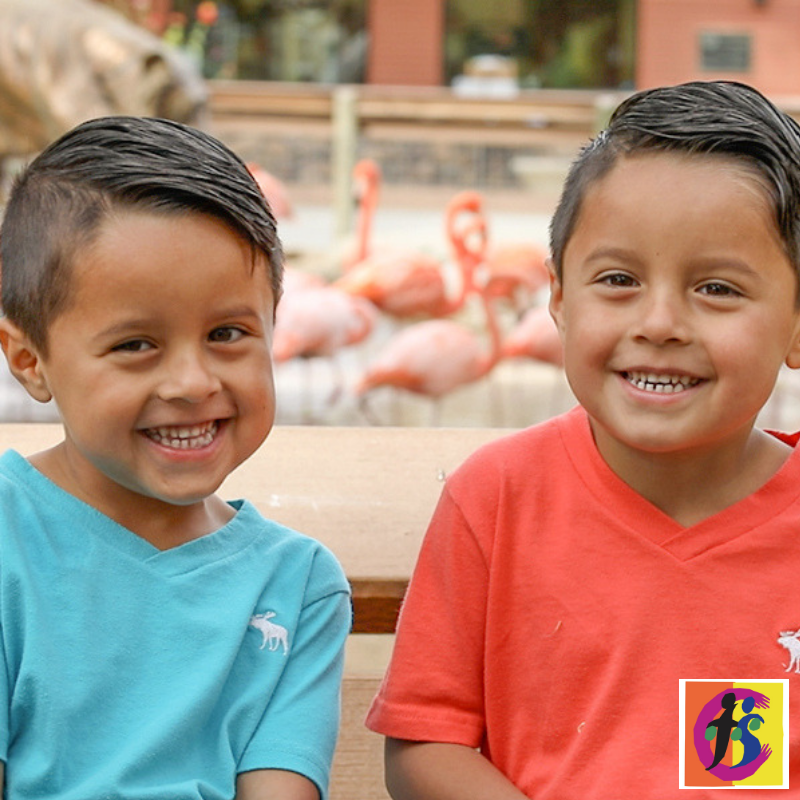
Many families of children with disabilities require assistance to meet their children’s special needs. Founded in 2006 by Paul and Bridget Ready in memory of their son, Jack, Jack’s Helping Hand provides assistance to local children struggling with cancer, special needs, and disabilities in San Luis Obispo County up to the age of 21.
How do they do it? Jack’s Helping Hand fulfills requests for assistance with medical equipment, provides transportation, food and lodging for out-of-town appointments and procedures, and helps with medical bills when there are no other sources to cover these needs. Their team assists over 70 families each month locally, and when they travel for appointments, surgery, and chemotherapy outside of our county.
The Community Foundation San Luis Obispo County is grateful to support the work of Jack’s Helping Hand in the form of multiple grants. Various grants from our Foundation, the Alex Quaglino Family Fund, and Women’s Legacy Fund have successfully supported their Assistance Program enabling families to travel to specialty children’s hospitals for the best possible care, support the purchase of hearing aids, therapeutic braces, mobility devices, and supportive seating devices.
Annie at Camp Reach for the Stars
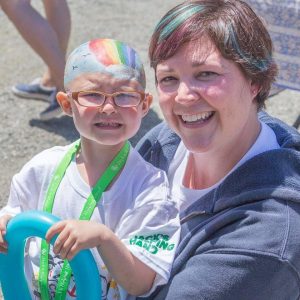
The Robert H. Janssen Foundation – a fund of The Community Foundation – has been a significant supporter of Camp Reach for the Stars, the no-cost summer camp for children dealing with cancer and their families. Located at Camp Yeager in Cambria, this family event is filled with activities, camping and plenty of opportunities for fun. The Camp aims to give all kids coping with cancer the chance to be kids—an experience often taken away or put on hold by the disease. It allows the children to shed the hefty “cancer patient” label yet be surrounded by others who understand similar experiences.
Jaylin, 2022
This month, their team is especially proud of Jaylin, who just finished a two- and half-year treatment for Acute Lymphoblastic Leukemia B. Providing the fuel, food, and lodging to alleviate that added financial burden on her parents has been our mission since meeting them in 2019. Being able to support her family for their treatments in Los Angeles has been a humbling experience for their team. Jaylin’s mother states it best:
“Jack’s Helping Hand has been such a blessing to our family. There are no words to describe how thankful we are to them. Driving 6 hours round trip to LA several times a month and having to stay overnight in hotels for treatment and procedures would have been impossible without their assistance. We are also so thankful to all the donors who give to Jack’s Helping Hand because of them Jaylin was able to go camp last year and was able to attend many fun events over the last couple of years.”
Jack’s Helping Hand has recently started building a universally accessible and inclusive park on 30 acres of generously donated land in Nipomo. The Jack Ready Imagination Park will be a place for children with disabilities to play with their families and peers. Current plans for the park include a large accessible playground, therapeutic riding facility, hardscape courts, playing fields, hiking trails, and barbeque and picnic areas.
This content has been edited from its original version, which was created and published by National Philanthropic Trust. You can view the original article here.
Your estate plan is a powerful tool that can help you achieve many important goals. First and foremost, it allows you to provide for your loved ones when you’re no longer there. It can help you reduce probate fees, minimize your estate and inheritance taxes and plan how your affairs will be handled if you become incapacitated. It can also help you pass on something more: your values and beliefs.
For many people, this process—often called legacy planning—involves incorporating philanthropic goals into an estate plan. With a donor-advised fund (DAF), you have several ways of creating a lasting legacy. We will show you how a DAF can help ensure that your charitable work continues for future generations.
Planning a Charitable Legacy with a Donor-Advised Fund is part of CFSLOCO’s Philanthropic Services. Learn more at https://www.cfsloco.org/donors/
A simple solution for legacy planning: DAFs
A DAF is a charitable giving vehicle that is popular for its ease of use. To establish a DAF, you complete an application and make an irrevocable, tax-deductible contribution to fund the new account.
This typically involves naming your DAF—possibly using a family name like the Jones Giving Fund or the Jones Family Foundation—and, in most cases, appointing family members or others to serve with you as joint, secondary, or successor advisors. There are no start-up costs other than your initial contribution.
When you contribute to a DAF, you are making an irrevocable gift to charity, but you and any other individuals you appoint will retain advisory privileges—which include the right to recommend investments within and charitable grants from the DAF. Contributions made during your lifetime, which may include cash, appreciated stock, real estate, or other complex assets, generally receive an immediate income tax deduction for up to the full fair market value of the gift.
Bequests to a DAF are eligible for an estate tax charitable deduction and may also reduce applicable state inheritance and estate taxes, which together could result in significant tax savings. You may also make your DAF the beneficiary of a life insurance policy, retirement plan or charitable remainder or lead trust.
For instance, if your DAF is the beneficiary of a charitable remainder trust, you will not be constrained by a limited number of charities identified in the trust document. Instead, the trust’s assets can ultimately go to any charity the advisors of the DAF recommend. This gives you and your heirs the flexibility to meet the world’s changing needs.
Multiple ways to build a charitable legacy
While your DAF can be funded after your lifetime, one benefit of a DAF is the ability to involve your loved ones in giving during your lifetime. You can appoint a spouse or partner as a joint advisor, and name your children as secondary advisors, so that you can make charitable decisions together as a family.
You can also ensure that future generations can continue a legacy of giving by appointing individual successors to the DAF. Some legacy options include (but are not limited to):
Naming a joint advisor to recommend investments and grants now and to assume responsibility of the DAF after your death
Naming one or more individual successors to manage their own DAF account funded with your DAF assets
Naming one or more charitable beneficiaries to receive all remaining DAF assets Establishing an endowment and recommending that assets be distributed over time in annual, recurring gifts to one or more charities
Creating a Legacy Plan involving any combination of the options described above
You can choose the plan that’s right for you now, with the option to change it later.
A DAF in action: The Hernandez Family Giving Fund
Rose and Frank Hernandez were both in their late 50s and in their peak earning years when they began to think deeply about their charitable legacy. They wanted to find a way to provide lasting support for several small organizations, including one that had helped Frank’s parents when they first immigrated to the U.S. These small organizations were only equipped to receive gifts of cash, which meant that Rose and Frank often sold securities, paid the income taxes on the gains and then made the gift using the cash proceeds. The couple also wanted to involve their daughters, who lived in different cities, in giving.
Rose and Frank decided to commit $50,000 to charitable giving in the current year, with an eye toward giving more in the future. Their advisor helped them consider two different strategies to achieve the goal:
GIVING TODAY: By setting up a DAF, Rose and Frank could serve as primary and joint advisors, and their daughters could work alongside them as secondary advisors and eventually as individual successors on the account. Rose and Frank also found that they could give more with a DAF, because it allowed them to give appreciated stock and save substantially on taxes. Their DAF offered Rose and Frank a seamless, tax-efficient way to donate stock which could then be liquidated for charitable grantmaking.
GIVING IN THEIR ESTATE: Although Rose and Frank’s net worth did not exceed the estate tax exemption amount, they had significant assets in traditional retirement accounts. These assets would be subject to income taxes if their daughters inherited them. Retirement assets left to charity, however, avoid estate and income taxation. This prompted Rose and Frank to make their DAF one of the beneficiaries of their retirement plan. Upon their death, the DAF would receive $150,000 of Individual Retirement Account assets, allowing the family to create a $100,000 endowed account to continue grantmaking to Rose and Frank’s favorite causes. At the same time, they could leave each daughter her own $25,000 DAF to continue supporting local organizations.
Advantages of starting your legacy today
Just as Rose and Frank did with their daughters in the example above, many families want to engage the next generation in their giving practice. A DAF can support your efforts to plan for your family’s future of giving, while allowing you to have a charitable impact today.
By establishing a DAF during your lifetime, you can:
Involve family members in managing the DAF alongside you as joint or secondary advisors, so that you can give together to the causes that are important to you as a family.
Appoint loved ones as individual successors and leave them a giving tool that requires no administrative work—the DAF sponsor oversees compliance, accounting, tax filing and other duties that the staff of a private foundation would otherwise have to do themselves.
Contribute appreciated assets to receive a deduction for the full fair-market value of the gift and avoid paying capital gains taxes on the asset’s built-in gains.
Save on income taxes. With the 2020 estate tax exemption at $11.58 million for individuals and $23.26 million for couples, fewer estates are subject to taxes than in the past. Opening a DAF now allows you to enjoy the benefits of a charitable income tax deduction, and ultimately to have more to give to your favorite causes.
Support your favorite causes now and beyond your lifetime. You can use a DAF to make present-day giving easy, with options for recurring grants and specialized grant agreements. By establishing a Legacy Plan for the DAF, you may also ensure that your favorite nonprofits will be supported even after your death as beneficiaries, either with a lump-sum gift or via annual grants until your DAF assets are depleted.
If you would like to discuss these or other options, please email our team at [email protected] or (805) 543-2323. CFSLOCO does not provide legal or tax advice. This brochure is for informational purposes only and is not intended to be, and shall not be relied upon as, legal or tax advice. The applicability of information contained herein may vary depending on individual circumstances.



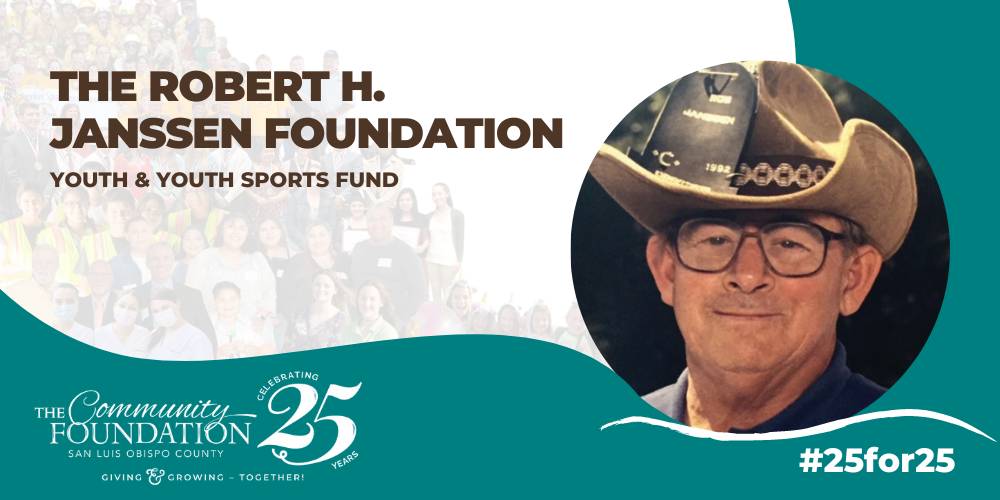
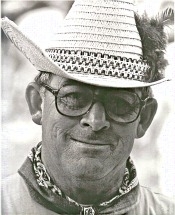 Robert (known by friends and neighbors as Bob) was a lifelong resident of San Luis Obispo, an active supporter of youth and community activities, and devoted a considerable portion of his life to youth sports. His personality was unpretentious, and he had an encyclopedic knowledge and passion for leadership in civic and sports matters.

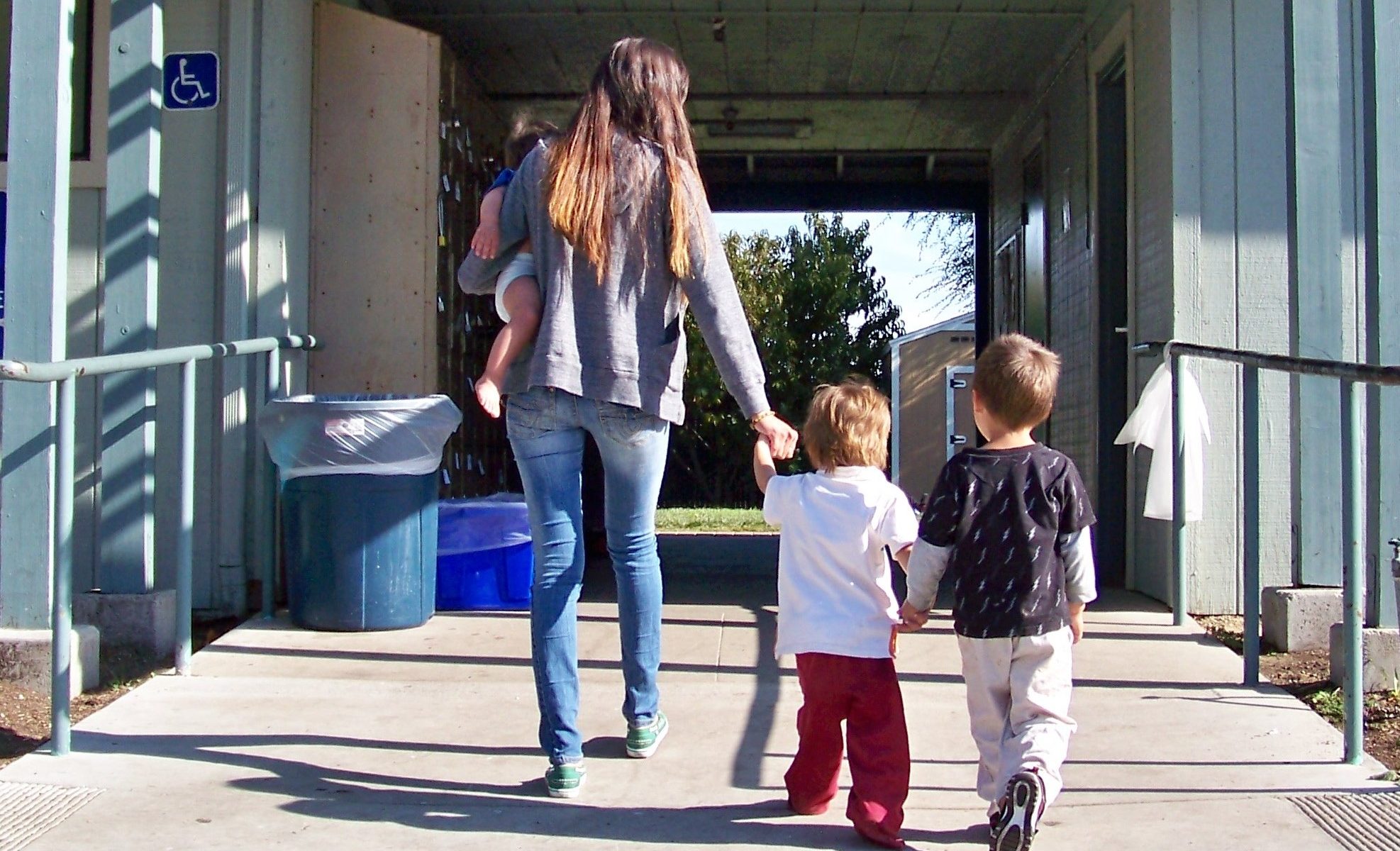
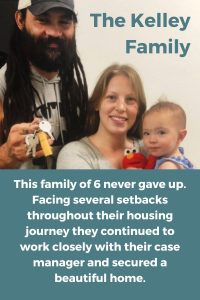
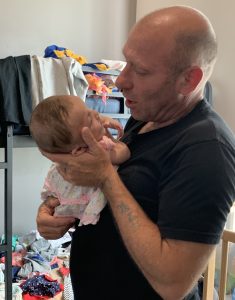

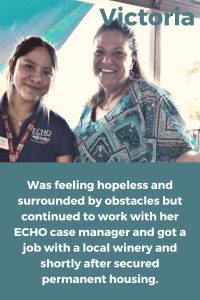 Established in 2001, ECHO empowers people in SLO County to make positive change by providing food, shelter, and supportive services.Their various services ensure that individuals and families struggling with homelessness can find jobs, get fed, stay healthy, and find housing.
 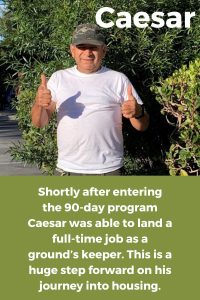 are accessing ECHO’s services in Atascadero and Paso Robles.