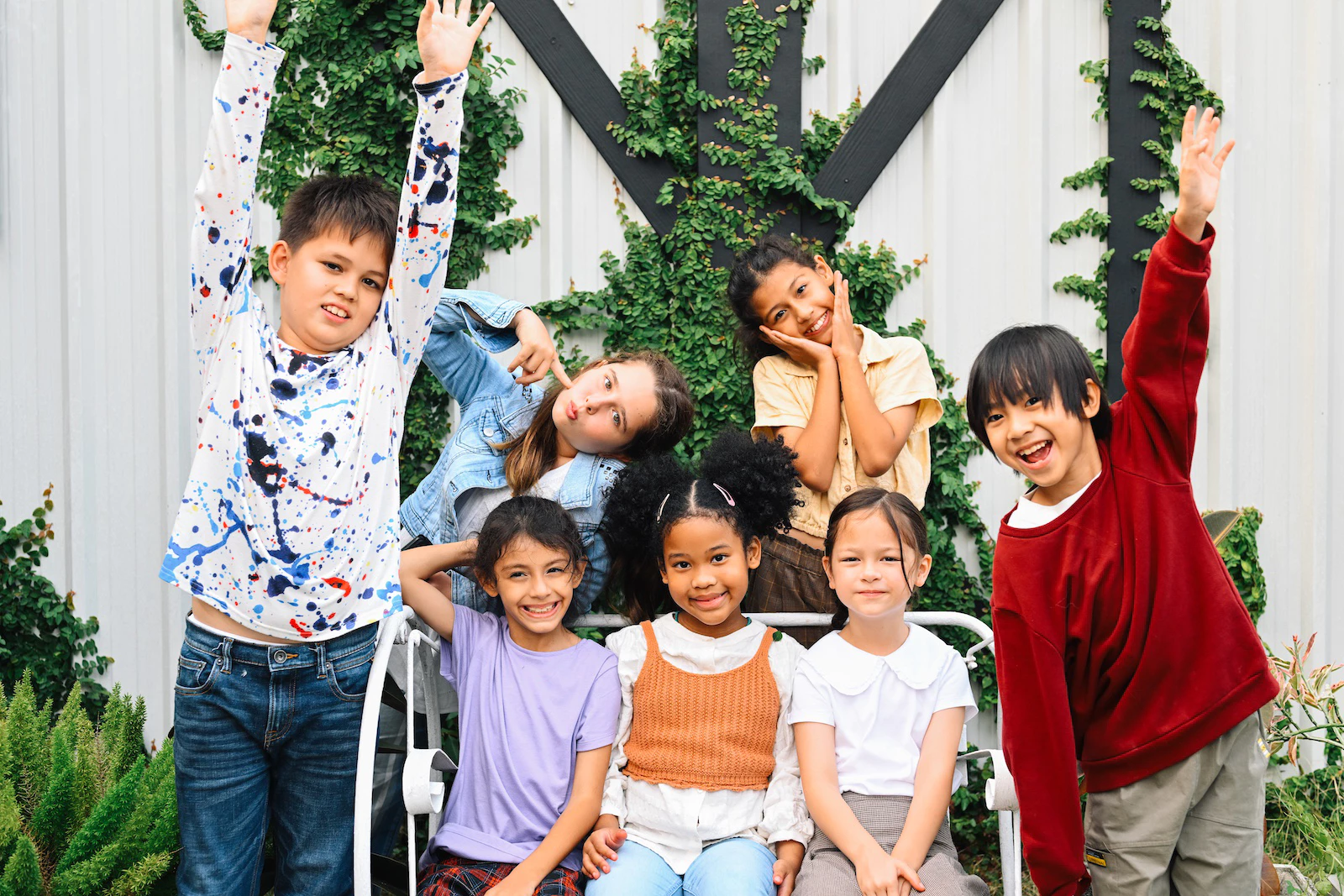
A Shared Vision for Child Care Across the Central Coast

In San Luis Obispo County, there is an estimated one licensed child care space for every four children ages 0 to 5. Local research also found particularly limited options for infants and toddlers, while 81% of families seeking child care referrals needed full time care and 73% needed care in order to work.

The economic implications are significant. Research cited in The Community Foundation San Luis Obispo County’s 2024 Child Care Report estimated that meeting the low end of potential child care need in SLO County could generate more than $108 million in annual economic activity and support or create 425 jobs.

Behind those numbers are families balancing work and the availability and cost of care, employers building and retaining a workforce, child care providers navigating a challenging business environment, and communities seeking greater economic opportunity.

These challenges do not stop at county lines. Increasingly, neither do the solutions.

Six Counties, One Shared Vision

The Uplift Child Care Coalition brings together community foundations and cross sector partners across six Central Coast counties around a common goal: strengthening child care as both a child development priority and an economic development strategy.

By connecting leaders from philanthropy, early childhood education, economic development, local government, business, planning, and other sectors, the Coalition creates opportunities to share knowledge, identify promising approaches, and advance solutions with relevance across the region.

The Community Foundation San Luis Obispo County is proud to play a leadership role in this long term effort.

As Community Foundation CEO Christine Dawson explains:

“The Community Foundation is proud to be part of this long term regional effort to expand access to quality child care, strengthen families and the workforce, and advance economic mobility throughout the Central Coast.”

The regional approach reflects the complexity of the issue. Expanding access requires attention not only to the number of available spaces, but also to the child care workforce, facilities, land use and local policies, the needs of working families, and the role employers and communities can play.

Our local research identified many of these same priorities, including strengthening the child care workforce, supporting child care businesses, addressing land use barriers, engaging employers, and more fully integrating child care into economic development strategies.

Building Momentum Together

The Coalition has translated that shared understanding into resources and strategies communities can use.

Partners have developed a Best Practice Portfolio, resources outlining the roles different sectors can play in building child care capacity, and a Shared Vision for Child Care that organizations throughout the Central Coast can endorse and help advance.

This summer, more than 60 participants representing all six counties gathered for the Uplift Child Care Coalition Showcase Event to exchange ideas, share what has been learned, and help shape the next phase of the work.

The breadth of participation reflects an important shift. Child care is increasingly being considered not only as a service for families, but as an issue connected to workforce development, economic mobility, land use, and the long term vitality of our communities.

From Shared Vision to Action

One area of focus ahead is the Child Care Facilities Action Network, or CCFAN, which addresses a practical barrier to expanding child care: creating and expanding the physical spaces where care can take place.

Our local research identified restrictive zoning, permitting requirements, fees, and other land use policies among the challenges that can slow the development of new child care spaces.

Through CCFAN, Child Care Facilities Specialists will participate in nine months of peer learning, fieldwork, land use surveys, coaching, and engagement with planning departments. Participating cities and counties will have opportunities to assess existing policies, learn from practices across the region, and identify opportunities to make child care development more feasible.

This is the value of a regional coalition: communities do not have to solve the same problems independently. They can share what works, learn from one another, and build on collective experience.

Add Your Voice

There is significant work ahead, and The Community Foundation San Luis Obispo County is proud to continue alongside the partners moving it forward.

The Uplift Child Care Coalition reflects an approach we believe is essential to addressing complex community challenges: bringing together people with different expertise, connecting local experience to regional opportunity, and creating the conditions for collective action.

Across six counties, that work is building a stronger, more coordinated vision for child care and for the children, families, workforce, and communities that depend on it.

Organizations and community leaders throughout the Central Coast are invited to be part of what comes next.

Learn more about the Uplift Child Care Coalition
Read the Shared Vision for Child Care

Join us in endorsing the Shared Vision

More Than a Scholarship: Investing in Students for the Journey Ahead

Access to education can open a door. Sustained support can help a student make it all the way through.

That distinction is at the heart of the new People’s Self Help Housing Scholarship Fund, established in partnership with the Emily & Dene Hurlbert Trust, People’s Self Help Housing, and The Community Foundation San Luis Obispo County.

Education has long been important to Dene Hurlbert and his late wife, Emily. Together, they believed that financial circumstances should not determine a person’s ability to learn, grow, and build a more secure future.

Today, through the Emily & Dene Hurlbert Trust, Dene is carrying that shared belief forward by investing in students who may face significant barriers to higher education.

Supporting Students Through Completion

The scholarship will support residents of People’s Self Help Housing communities and participants in its education programs who are pursuing college, vocational training, or workforce reentry, with a particular emphasis on first generation college students.

Importantly, the scholarship is designed to provide multi year support.

For students navigating tuition, books, transportation, housing, and other expenses, receiving a scholarship for one year can make college possible. Knowing support can continue as they progress toward a degree or credential can provide greater stability and help students remain focused on completion.

As Itzelt Santos, Senior Education Manager at People’s Self Help Housing, explains:

“For students living in our affordable housing communities, higher education carries significant financial barriers, but thanks to Dene’s support, our students will have the chance to succeed. Scholarships help first generation students stay enrolled, persist toward graduation, and step into their careers with little or no student loan debt. That solid financial foundation opens the door to long term stability and success.”

The goal is not simply to help students enroll. It is to help position them to persist, graduate, and move into their careers with a stronger financial foundation.

A Collaborative Approach to Student Success

The fund was also designed around another important idea: financial assistance is most effective when students have the support to navigate the journey ahead.

Each partner brings a distinct strength.

Through the Emily & Dene Hurlbert Trust, Dene provided the vision and initial investment. The Community Foundation will administer the scholarship and steward the fund over time. People’s Self Help Housing will identify eligible students and provide educational navigation and support, drawing on the relationships it has already built with residents and students.

Together, the partners can offer something more comprehensive than financial assistance alone: scholarship support paired with people who understand the students, their goals, and the barriers they may encounter along the way.

An Investment Others Can Build Upon

Dene seeded the fund with a larger vision: to create a scholarship others can invest in alongside him, expanding the number of students who can receive sustained support over time.

Each additional contribution can help extend that opportunity to another student and strengthen a resource designed to grow with the community.

It is a meaningful way to carry forward something Emily and Dene believed in together while inviting others to share in that vision.

A scholarship can help make education accessible. Multi year support, trusted guidance, and a community invested in a student’s success can help turn that opportunity into a degree, credential, career, and greater economic stability.

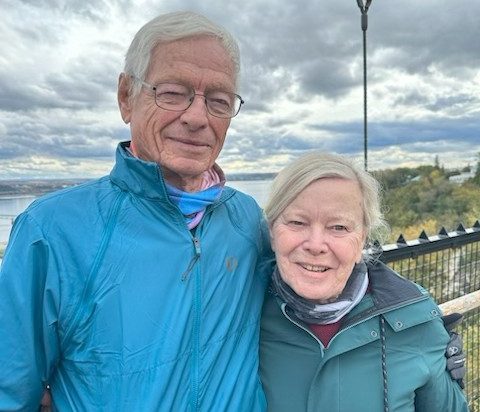
Support the People’s Self Help Housing Scholarship Fund

Rooted in Generosity: A Family Tradition of Giving

Rooted in Generosity: A Family Tradition of Giving

For Jeanne Helphenstine, generosity began long before she opened a donor advised fund. It began on her family’s ranch, around a dinner table, and with a simple belief passed from one generation to the next: no one should go hungry.

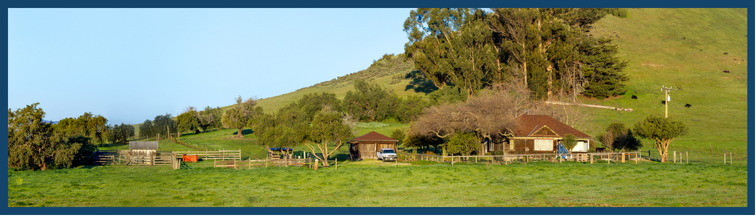
Jeanne’s grandparents, Allan and Yolanda Righetti, were Swiss Italian immigrants who operated a dairy farm on 143 acres off Orcutt Road in San Luis Obispo. Life on the Righetti Ranch was grounded in hard work, gratitude, and caring for neighbors. Those values became part of the family and eventually shaped the way Jeanne thought about giving back to the community she calls home.

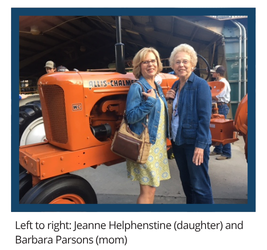
Years later, Jeanne found a meaningful way to carry those values forward with her mother, Barbara.

Giving Together

Jeanne encouraged her mother to consider making a charitable gift through The Community Foundation San Luis Obispo County, recognizing both the tax advantages of charitable giving and the opportunity to make a meaningful local impact.

Jeanne and Barbara each established their own donor advised fund at the Foundation. Soon, philanthropy became something they shared.

Each year, mother and daughter talked about what was happening in the community, learned about local organizations, discovered new causes, and decided where they wanted their giving to make a difference. Agriculture and food security were natural priorities given their family history, while the arts also held a special place in their hearts.

For Jeanne, those conversations became as meaningful as the grants themselves.

“Giving became something my mother and I looked forward to each year. We learned from each other, supported what mattered most, and stayed connected to our community in the process.”


Their donor advised funds provided a simple way to organize their philanthropy. More importantly, giving together created time to reflect on what they valued and how they wanted to contribute to the community they loved.

A Tradition That Continues

Jeanne’s commitment to community extends beyond her philanthropy. Throughout her career in real estate and through her volunteer leadership, including her service on the Foundation’s Real Estate Foundation Board, she has remained closely connected to San Luis Obispo County.

That involvement has also informed her giving. As Jeanne has learned more about the challenges and opportunities facing local nonprofits and families, her philanthropy has evolved with her.

Yet the values behind it remain remarkably consistent.

The land that supported her grandparents’ dairy farm is an important part of Jeanne’s family history. But the Righetti legacy extends beyond those 143 acres. It lives in a belief that we care for our neighbors, share what we have, and remain connected to the community around us.

For Jeanne, philanthropy became something she and her mother shared. Today, that tradition continues, carrying forward the values of a family deeply rooted in this community.

Make Giving Part of Your Family Story

A donor advised fund can create a meaningful way for families to give together, explore the issues they care about, and pass charitable values from one generation to the next.

The Community Foundation works alongside individuals and families to make giving thoughtful, flexible, and connected to the communities and causes that matter most to them.

Sometimes the most meaningful thing we pass from one generation to the next is not what we have, but what we believe.

Righetti Family Ranch

CFSLOCO Helping Connect Local News Organizations to New Statewide Funding Opportunity

Local journalism plays a critical role in helping communities stay informed, connected, and engaged. Across California, many local news organizations continue to face growing financial and operational challenges at a time when trusted civic information is more important than ever.

A new statewide initiative aims to help strengthen and sustain local civic media throughout California.

The California Civic Media Program, established through the Governor’s Office of Business and Economic Development (GO-Biz), has launched with an initial $20 million investment to support local newsrooms across the state. The initiative combines state funding, private investment, and philanthropic partnership to strengthen California’s civic media ecosystem.

Founding support for the program includes partnership from Google, with Governor Gavin Newsom allocating an additional $10 million annually over the next two years to continue the effort. Matching support from Google is expected to bring the total annual investment to approximately $20 million per year moving forward.

The program is administered by the James B. McClatchy Foundation with support from Journalism Funding Partners and guidance from the Civic Media Program Advisory Board, a group of journalism and civic leaders from across California.

As part of this statewide effort, community foundations across California are helping connect local news organizations with information about the opportunity. The League of California Community Foundations has partnered with regional outreach organizations to help ensure both nonprofit and for profit news outlets are aware of the funding opportunity and application process.

The inaugural application window is open from July 6 through August 21, 2026.

Eligible organizations are encouraged to explore the program website, review eligibility requirements, and attend upcoming informational webinars and technical assistance sessions. Upcoming webinars are scheduled for July 7 and August 4.

Key resources available through the program include:

  • Program information and application details
  • Eligibility quiz
  • Program guide and FAQs
  • Technical assistance office hours
  • Informational webinars

Organizations can learn more and access application resources at California Civic Media Program.

Strong local journalism helps communities better understand local issues, engage in civic life, and stay connected to one another. This new statewide investment reflects growing recognition that local news is essential community infrastructure worthy of long term support.

Community Foundation Welcomes Senator John Laird for Conversation on Regional Resilience and Community Impact

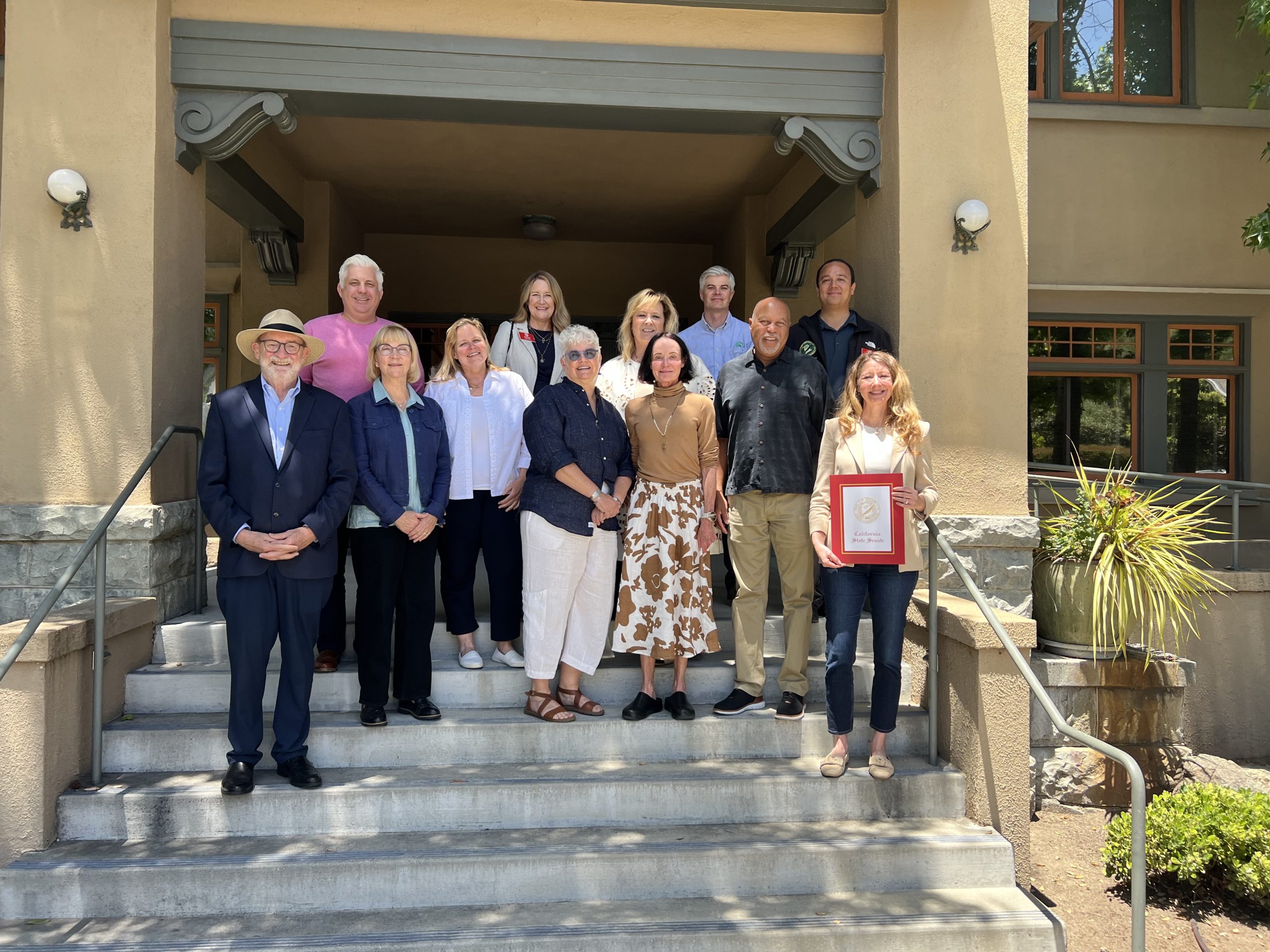
The Community Foundation San Luis Obispo County recently welcomed John Laird and members of his staff for a discussion focused on strengthening community resilience, expanding partnerships, and addressing some of the most pressing challenges facing San Luis Obispo County.
The conversation brought together Foundation board members and staff to explore how philanthropy, government, nonprofits, and community leaders can work together to create lasting solutions for local residents. Throughout the discussion, a common theme emerged: collaboration is essential to maximizing resources and building stronger, more resilient communities.

As nonprofit organizations and service providers continue to navigate rising costs, funding uncertainty, and growing demand for services, the Foundation shared what it is hearing directly from partners across the county. Many organizations are being asked to do more with fewer resources while responding to increasingly complex community needs.

Among the topics discussed were healthcare access, food security, housing affordability, disaster preparedness, and strengthening the nonprofit safety net. The Foundation highlighted several initiatives designed to address these interconnected challenges through strategic partnerships and community investment.

One example is Together for SLO County, a public-private partnership created to strengthen the county’s nonprofit safety net during a period of economic uncertainty. Through collaboration among the County of San Luis Obispo Board of Supervisors, First 5 San Luis Obispo County, private donors, and nonprofit organizations, the initiative distributed more than $2.25 million in unrestricted funding to 27 local nonprofits serving vulnerable residents throughout the region.

The conversation also explored the potential impacts of changes to healthcare and nutrition assistance programs, as well as the importance of coordinated planning to ensure residents continue to have access to essential services and support.

Housing and economic mobility were additional areas of focus. Foundation leaders shared how community impact investing and cross-sector partnerships can help advance long-term housing solutions while supporting broader community wellbeing.

Disaster readiness and resilience were also key priorities. As San Luis Obispo County faces increasing risks from wildfire, flooding, and other climate-related events, participants discussed the importance of strengthening coordination before disasters occur. The Foundation highlighted its ongoing partnerships with local Voluntary Organizations Active in Disaster (VOAD), the County Office of Emergency Services, nonprofit organizations, and regional response networks to improve preparedness, response, and long-term recovery efforts.

“Collaboration is how communities move forward,” said Christine Dawson, CEO of The Community Foundation San Luis Obispo County. “When philanthropy, government, nonprofits, and community leaders come together around shared goals, we can leverage resources, strengthen local systems, and create greater impact for the people we serve.”

The visit reinforced a shared commitment to partnership, innovation, and long-term community resilience while highlighting the important role that collaboration plays in addressing both immediate needs and future challenges across San Luis Obispo County.

Charitable Giving in 2026: What Donors Should Know

Tax changes may feel national in scope, but the choices families make because of them are deeply local. As the One Big Beautiful Bill Act (OBBBA) reshapes the federal landscape in 2026, many individuals and families across San Luis Obispo County are taking a fresh look at how they structure their giving. For those committed to strengthening our region this moment offers an opportunity to plan with intention.

Why this matters for San Luis Obispo County
With OBBBA now in effect, the “math” behind charitable giving has shifted. The new 0.5% Adjusted Gross Income (AGI) floor means that the earliest portion of a gift is purely about supporting the cause, with tax benefits beginning only after that threshold is met.

At the same time, the new Universal Deduction allows non‑itemizers to deduct up to $1,000 ($2,000 for joint filers) in cash gifts. Whether you’re a long‑time philanthropist or someone who gives when you can to the nonprofits you love, these changes influence the timing and structure of your generosity.

A new “cap” provision adds another layer of complexity. For donors in the 37% federal income tax bracket, itemized charitable deductions are now capped at the 35% tax rate. In simplified terms, depending on other factors, a $10,000 gift may now yield a $3,500 tax benefit instead of $3,700. Together, the floor and the cap reshape how donors plan their charitable contributions.

Planning strategies to consider
Every donor’s situation is unique, but these shifts may spark new conversations around:

● Timing gifts across multiple years: “Bunching” charitable contributions into one tax year may help donors meet the new AGI floor and maximize deductions. Some donors use a donor advised fund to make several years’ worth of charitable gifts at once, receive the deduction upfront, and support nonprofits over time.

● Qualified Charitable Distributions (QCDs): For donors age 70½ and older, giving directly from an IRA remains one of the most tax‑efficient ways to support local causes and it bypasses AGI entirely.

● Donating appreciated stock: This approach allows donors to avoid capital gains taxes while supporting community needs at full market value.

● Establishing a donor‑advised fund: A DAF at a local foundation can secure a deduction in a high‑income year while providing steady, ongoing support to the nonprofits and students you care about.

Ensuring a thriving Central Coast
These strategies are about more than tax planning. They’re about ensuring that the generosity of our neighbors continues to uplift the programs and people who make San Luis Obispo County vibrant, from housing and mental health services to education, youth programs, and community initiatives.
Thoughtful charitable planning helps shape what happens here, in our own backyard. By aligning your 2026 giving strategy with your values, you help ensure that our region remains strong for years to come.
_____________________________________________________________________
Sources & Further Reading
● “Charitable Giving Strategies Under OBBBA” – JD Supra
● “The Tax-Saving Charity Funds Wealthy People Are Buzzing About” – The Wall Street Journal
● “Wealthy Tax Planning: Navigating the 2026 Bills” – CNBC
● “Bill Gates’ Stock Donations and Tax Benefits in 2026” – MoneyWise
● “Wake Up Call: OBBBA Changes and Client Conversations” – Community Foundation of Greater Birmingham
● “How Talking to Clients About Philanthropy Benefits Advisors” – ThinkAdvisor
● “The 2026 Billionaire Tax Act” – Lexology
The information provided is for educational purposes and does not constitute tax, legal, or accounting advice. Please consult your professional advisors regarding your individual situation.

Philanthropy is Evolving and Your Community Foundation is Responding

At The Community Foundation, we believe philanthropy must continue evolving alongside this moment. Over the past year, we have made several strategic changes designed to help unlock more charitable capital, reduce barriers to giving, strengthen nonprofit sustainability, and support long term community resilience.

Reduced Minimums for Donor Advised Funds

This year, we reduced the minimum required to establish a donor-advised fund, helping make organized, strategic philanthropy accessible to more individuals and families across our region. Donors can open a non-endowed fund with a gift of $5000.

For many donors, charitable giving today looks different than it once did. Families want to involve the next generation, respond quickly to emerging issues, support multiple causes over time, and create giving plans that reflect their values. Lowering the minimum helps open the door for more people to engage in long term philanthropy in a meaningful way.

We believe philanthropy should feel approachable, actionable, and connected to community impact. Donor advised fundholders can also choose investment strategies that align with their giving goals, whether they plan to grant funds quickly to address immediate needs or grow charitable assets over time to support future community impact.

Increasing Our Endowment Spending Policy

We also approved an increase to our endowment spending policy, allowing more funding to flow into grants and scholarships during a period of heightened community need.

Nonprofits throughout San Luis Obispo County continue to face increased demand for services alongside rising operational costs and uncertain funding streams. In response, we felt it was important to thoughtfully balance long term investment stewardship with the urgency of supporting organizations and students today.

Reduced Fees to Maximize Community Impact

As The Community Foundation continues to grow, we remain committed to evaluating how we can create greater value for fundholders and nonprofit partners. Recent fee reductions are part of that effort.

We reduced fees for our donor advised funds, agency funds, and scholarship funds to help maximize charitable impact and keep more resources working in the community.

Our goal is simple: keep more charitable dollars working in the community while continuing to provide strong governance, donor services, investment oversight, and grant administration.

Launching Agency Investment Funds

One of the most significant developments this year was the launch of our new Agency Investment Funds, designed specifically to help nonprofit organizations strengthen long-term sustainability.

These flexible, non-endowed funds provide nonprofits with access to professional investment management, diversified investment pools, and oversight from the Foundation’s Investment Committee. Organizations can invest reserve funds and long-term assets in ways that align with their financial goals and timelines, while still maintaining full flexibility and access to their funds.

Unlike traditional endowments, nonprofits retain the ability to retrieve a portion or the entirety of their fund balance at any time, giving organizations greater financial flexibility while still benefiting from long term investment management and stewardship.

Too often, nonprofits are forced to focus solely on short term survival. We believe philanthropy can also help create pathways toward stability, resilience, and future growth.

Expanding Collaboration Around Complex Community Challenges

We also recognize that today’s biggest challenges cannot be solved by any one organization acting alone.

Issues like housing affordability, workforce development, childcare, access to healthcare, nonprofit sustainability, and the impacts of federal and state policy changes are deeply interconnected and require coordinated regional responses. Increasingly, our role is not only to fund important work, but to help convene partners, align resources, and create space for collaboration across sectors.

We’ve expanded partnerships with local governments, nonprofit leaders, funders, and regional stakeholders to better respond to emerging community needs and long-term systemic challenges.

Through Together for SLO County: A Critical Response Fund, public agencies, private philanthropy, and community donors came together to respond to significant cuts impacting our local safety net and the nonprofit organizations providing essential services across the county. The initiative distributed more than $2.25 million in unrestricted support to 27 organizations, while also investing in sustainability support to help strengthen long term operational health.

We are also deepening partnerships around housing and economic mobility through mission related investments and regional collaboration. Since 2019, the Foundation has invested nearly $1 million in recoverable, low interest loans through the SLO County Housing Trust Fund to help leverage larger state and federal funding opportunities that support affordable housing development across the county.

As community needs become more complex, philanthropy must become more connected, adaptive, and collaborative.

How Your Community Foundation Is Responding

Community foundations are uniquely positioned to help communities navigate moments like this because we are built for the long term. We are deeply rooted in the regions we serve, connected across sectors, and able to bring together donors, nonprofits, public agencies, businesses, and community leaders around shared solutions.

At The Community Foundation, our role is evolving beyond traditional grantmaking. We are helping convene partnerships, move charitable resources more strategically, support nonprofit sustainability, and invest in long term community resilience.

Philanthropy today is not simply about preserving charitable assets. It is about activating them thoughtfully and strategically for public good. It is about removing barriers, responding to changing realities, and building stronger pathways between generosity and community impact.

The future of our region will depend on strong collaboration, coordinated leadership, and continued investment in the long term health of our communities.

We are proud to continue evolving alongside our community and deeply grateful to the donors, nonprofit partners, volunteers, and supporters helping shape what philanthropy can become moving forward.


Generosity in Action Event Recap 4/29/26

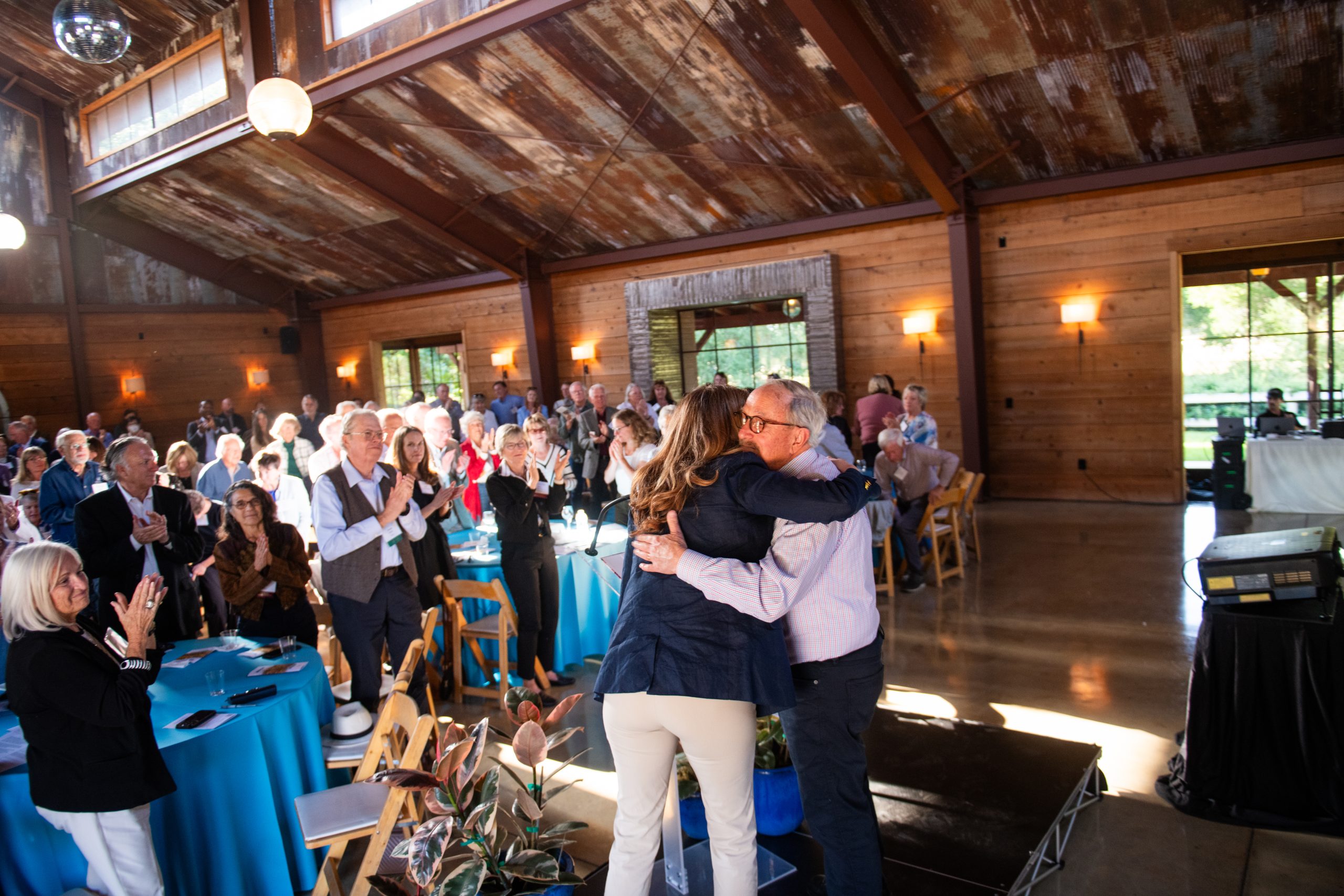
On April 29th, we hosted our first annual Generosity in Action event, bringing together past and present board members, committee members, fundholders, and supporters to celebrate the impact of community philanthropy. During the evening, we announced an exciting milestone: The Community Foundation has officially surpassed $100 million in charitable assets under stewardship. We also honored two remarkable leaders – Dr. Anneka Scranton, recipient of the Spark Award for her work with the Together for SLO County initiative, and founding board member Warren Sinsheimer, who received the 2026 Community Catalyst Award for more than 50 years of visionary service.

We reflected on a year of meaningful impact, driven by strong investment performance and steady donor support. In 2025, the Foundation awarded $6.59 million through 412 grants to 170 organizations, along with scholarships for 123 students. Our largest impact to date!

Looking ahead, we shared our continued focus on three strategic pillars:

Give – activating more capital for local impact

Lead – strengthening the nonprofit sector through collaboration and leadership

Solve – addressing emerging needs like housing and healthcare through regional partnerships

Thank you to everyone who joined us. Your partnership and generosity made the evening truly meaningful.

To see the full event photos click here

What 2026 Tax Changes Could Mean for Charitable Giving in San Luis Obispo County

Tax changes rarely feel local. But the decisions families make because of them are.

As federal tax provisions shift in 2026, including potential changes to standard deductions and charitable deduction rules, many individuals and families may revisit how they structure their philanthropy. For those who care about investing in San Luis Obispo County, this is an opportunity to plan intentionally.

Why this matters

Higher standard deductions have already meant fewer households itemize their charitable gifts. As tax provisions evolve again in 2026, donors may reconsider how and when they make contributions.

At the same time, tools like Qualified Charitable Distributions (QCDs) which allow individuals age 70½ and older to give directly from their IRA continue to offer tax-efficient ways to support the causes they care about.

Rather than waiting until year-end, early conversations can help align charitable goals with broader financial and estate planning.

Planning strategies to consider

While every situation is different, these changes may prompt conversations around:

  • Timing charitable gifts across multiple years
  • “Bunching” contributions into one tax year
  • Utilizing Qualified Charitable Distributions from an IRA
  • Establishing a donor advised fund or designated fund to maintain consistent annual support
  • Engaging family members in structured giving conversations

These strategies are not simply about tax deductions. They are about ensuring generosity continues to strengthen the nonprofits, students, and community initiatives that make San Luis Obispo County thrive.

A local partner in charitable planning

The Community Foundation San Luis Obispo County works alongside donors and professional advisors to structure charitable giving in ways that reflect personal values and community priorities.

Whether supporting scholarships, addressing housing and mental health needs, investing in the Women’s Legacy Fund, or responding to emerging challenges through our grantmaking, thoughtful charitable planning helps shape what happens here—in our backyard.

If you’d like to explore how potential 2026 tax changes may intersect with your charitable goals, our team is happy to talk through options.

The Community Foundation does not provide tax, legal or accounting advice. Please consult your professional advisors regarding your individual situation.


Community Foundation Announces New Board Members and 2026 Slate of Officers

The Community Foundation San Luis Obispo County is pleased to announce a new slate of Board officers and welcome two respected local leaders to its Board of Directors.

Community leaders Teresa J. Rhyne and John Stevens have joined the Board, bringing deep experience in philanthropy, public service, and community leadership at an important moment for the Foundation and the region. Their perspectives will help strengthen the Foundation’s work supporting donors, nonprofits, and community initiatives throughout San Luis Obispo County.

The Foundation also announced its new Board officers for the coming term:

  • Rick Williams, President

  • Pat Hosegood Martin, Vice President

  • Shelly Higginbotham, Secretary

  • Anita Robinson, Treasurer

Together, this leadership team will help guide the Foundation as it continues to expand its role as a trusted philanthropic partner—connecting generosity with local needs and long-term community solutions.

👉 Read the full press release to learn more about Teresa, John, and the Foundation’s board leadership.

Connect With Us
Heidi H. McPherson Chief Executive Officer (805) 543-2323